COVID-19 reminds us of how connected our world has become. The economic disruptions caused by the virus have upended the lives of millions of workers across the global supply chains and dramatically exposed the injustice and inequality of a broken economic system. This is especially true in the garment industry.
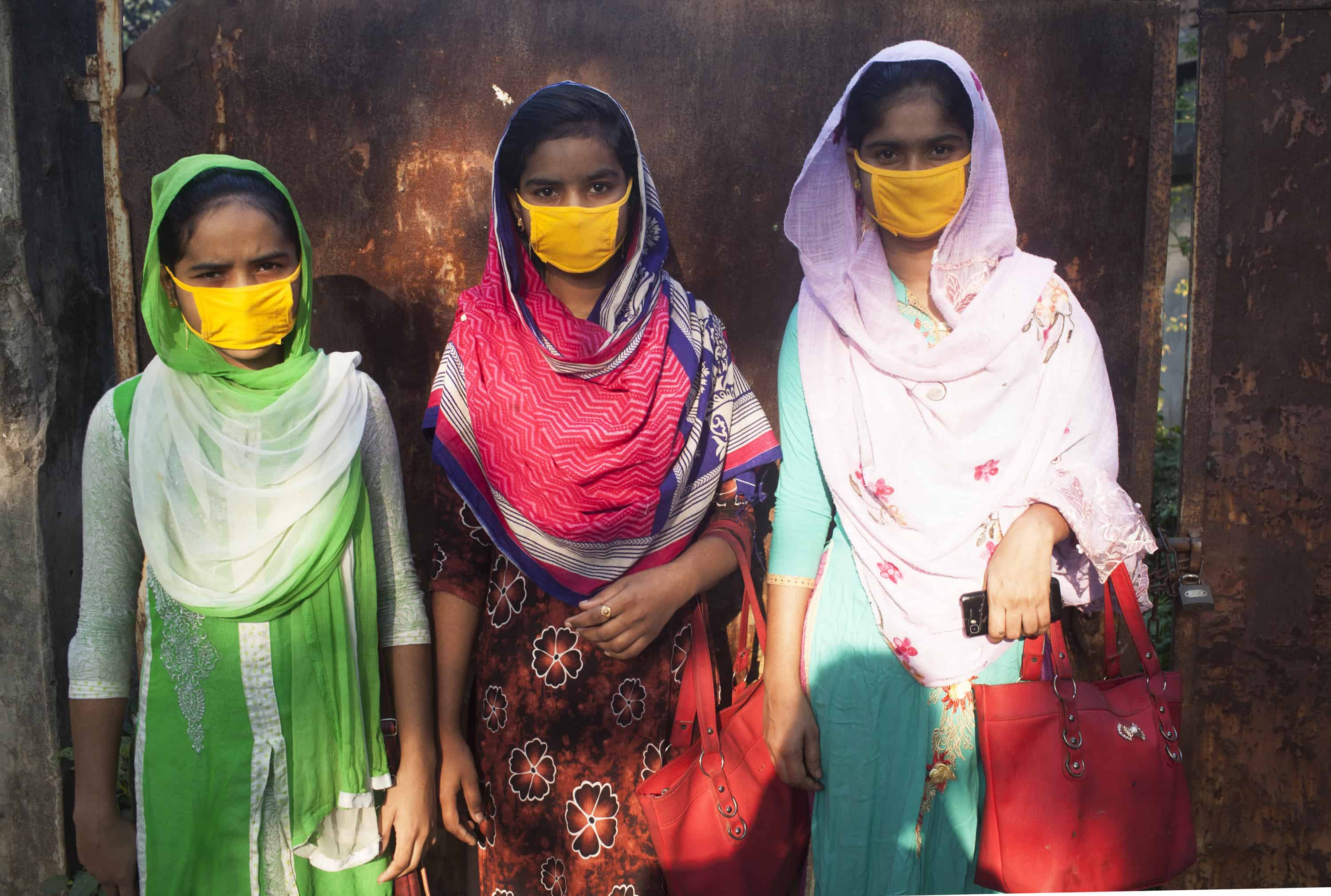
As many people here in Canada lose their jobs due to coronavirus, internationally the women who make our clothes face a similar story of mass job losses. Clothing brands have abruptly cancelled orders from factories and declined to pay for orders of clothes already completed. As a result, supplier factories in places like Bangladesh, Cambodia, Vietnam, India, Honduras and Myanmar are unable to pay workers’ salaries.
Paid poverty wages for years, garment workers barely make ends meet and have no financial savings to draw on. Without work, without income, they can easily slip into abject poverty without the ability to feed themselves and their families. Their governments have no or very limited financial capacity to mount the large sustainable rescue packages that will be needed, and no social safety nets to build on. Health care systems are already underfunded and overstretched.
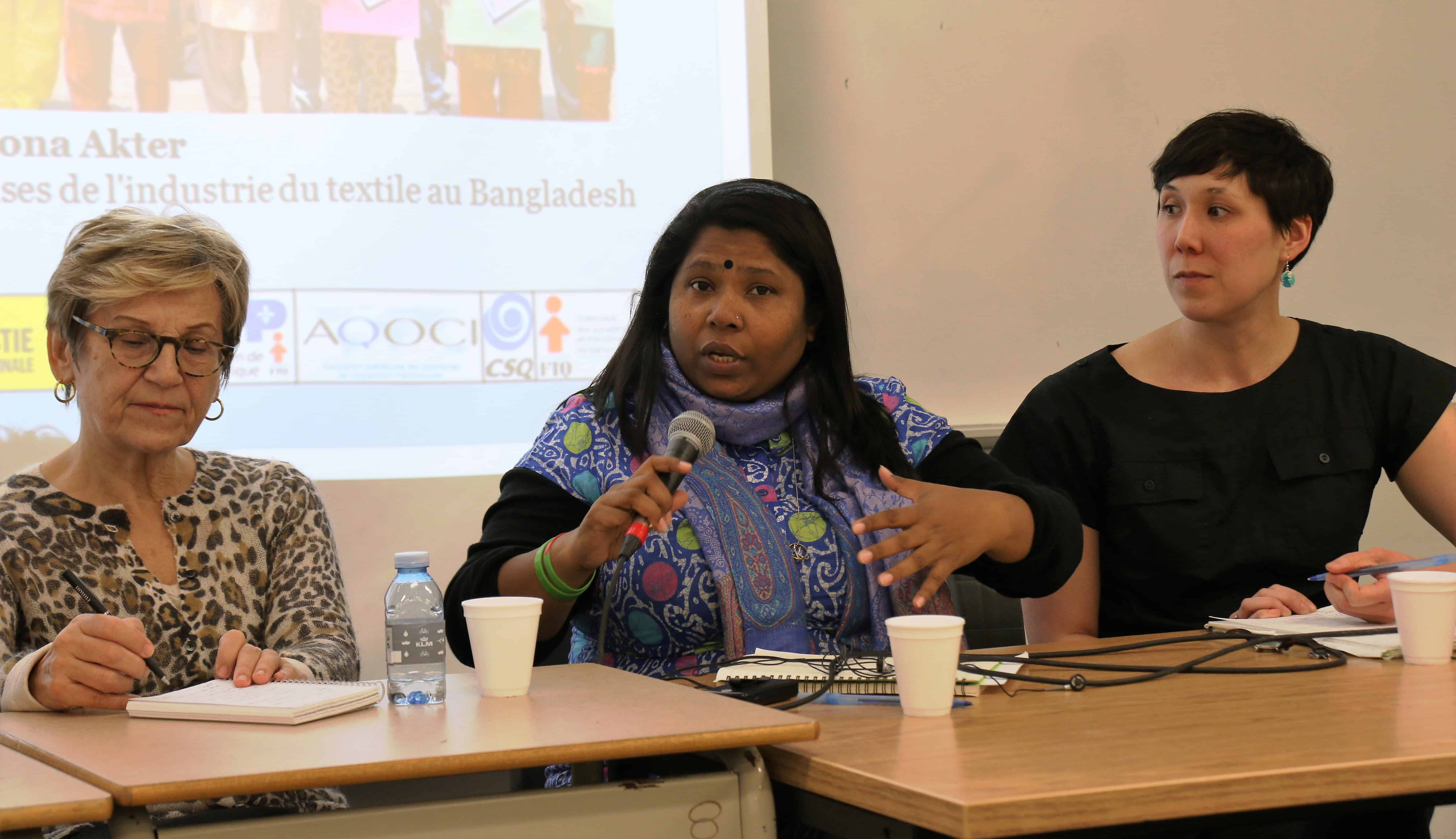 In Bangladesh, long-time Steelworkers Humanity Fund partner Bangladesh Centre for Worker Solidarity (BCWS) and its union allies have been working flat out since the arrival of the virus in the country. In a fast-changing context, they have been lobbying the powerful factory owners’ association and the Bangladeshi government to ensure all workers have access to the emergency funds made available by the government, while at the same time making sure that effective measures are taken to ensure workers’ safety.
A week from now will mark the 7th anniversary of the Rana Plaza disaster, which killed 1,132 people and injured more than 2,500 seven years ago. To this day, this grim anniversary reminds that workers’ health and safety can never be taken for granted. That same week in Bangladesh, rumour has it that the government-mandated holiday will come to an end, and garment factories will reopen, in conditions that cannot be deemed safe by any stretch of the imagination in the context of the pandemic.
Stay tuned as the Steelworkers Humanity Fund works closely with other Canadian unions and solidarity organization to bring attention to the effect of the COVID-19 in supply chains of the garment sector, demanding actors in the industry and governments to adequately support workers, but also to rebuild a fairer system that truly protects their rights and dignity.
Share on Facebook